HMCC & HHME 2026 Invited Keynote Talks
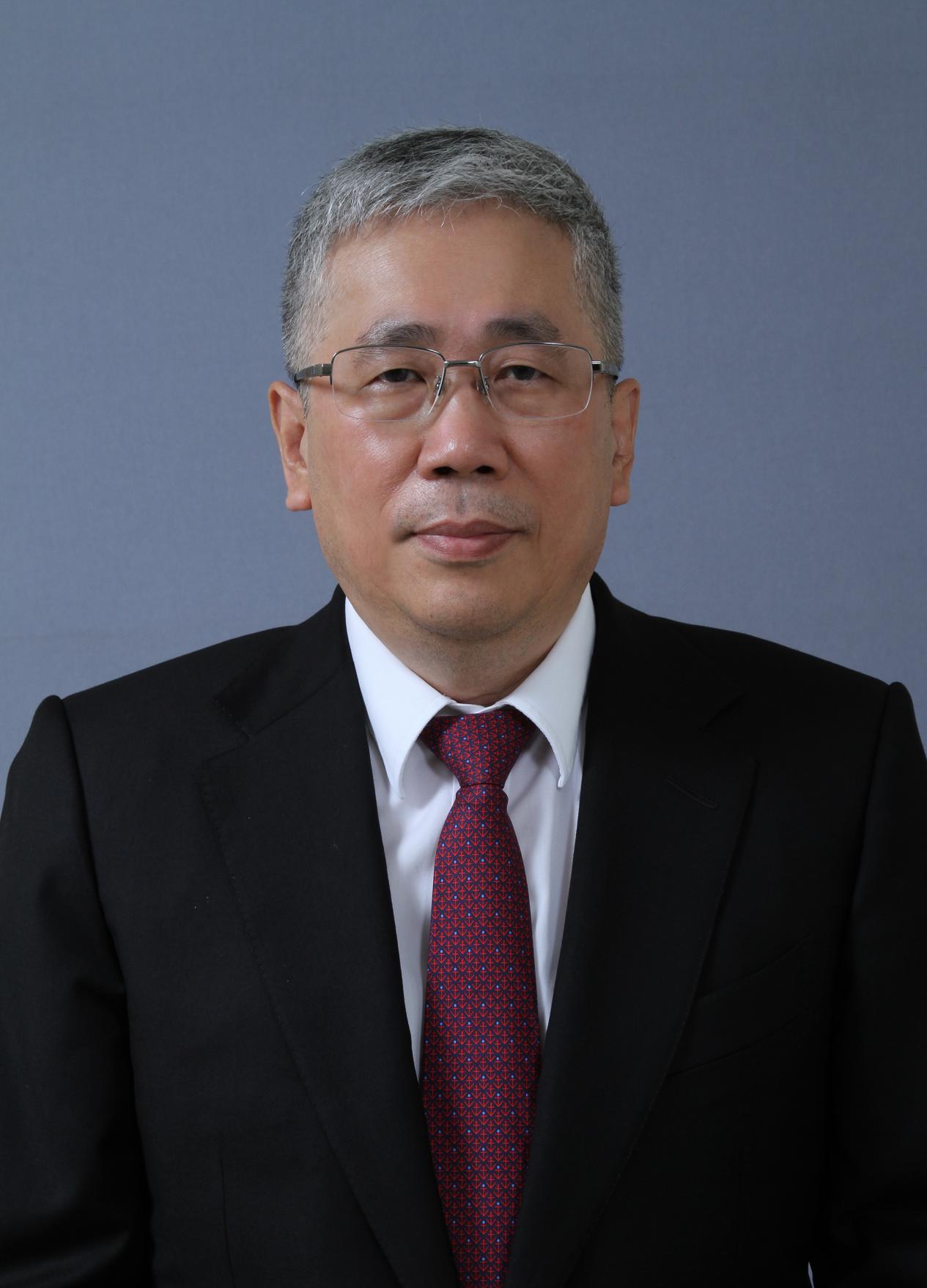
Ping Zhang is Counsellor of the State Council, Professor at Beijing University of Posts and Telecommunications (BUPT), Member of the Chinese Academy of Engineering (CAE), member of the 14th National Committee of the CPPCC, member of the Central Committee of the China Democratic League and Vice Chair of its Science and Technology Committee, Editor-in-Chief of Journal on Communications, and IEEE Fellow. He has long been committed to theoretical research and technological innovation in mobile communications, serving as a member of the IMT-2020 (5G) Expert Group and Chief Expert of the IMT-2030 (6G) Promotion Group.
He has received the Special Prize of the National Technology Invention Award and multiple provincial/ministerial science and technology awards, been selected for several national high-level talent programs, and made important contributions to China's mobile communications industry. He is currently focused on research and industrialization of key technologies for broadband wireless networks.
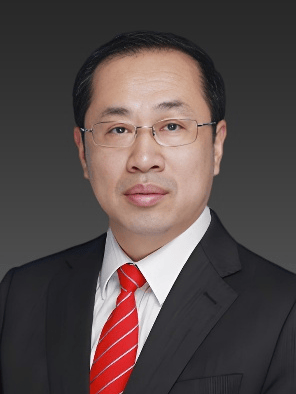
Shutao Li is a CCF Fellow, Changjiang Scholar Distinguished Professor, Professor and Doctoral Supervisor at Hunan University, recipient of the National Science Fund for Distinguished Young Scholars, a leading talent under the National High-Level Talent Special Support Program, and leader of an NSFC Innovative Research Group. He is an IEEE Fellow and Fellow of the China Society of Image and Graphics.
He has long been dedicated to image information fusion theory and key technologies, with applications in aerospace, satellite communications, and intelligent national defense. He has received the Second Prize of the National Natural Science Award, the Second Prize of the National Science and Technology Progress Award, and the National Award for Innovation and Excellence, and has served as Program Committee Chair of the Joint Conference on Artificial Intelligence.

Haifeng Wang is Chief Technology Officer of Baidu, Director of the National Engineering Research Center for Deep Learning Technology and Application, and a National Outstanding Engineer. He was the first Chinese President in the history of the Association for Computational Linguistics (ACL), founding President of the ACL Asia-Pacific Chapter, ACL Fellow, IEEE Fellow, Member of the International Eurasian Academy of Sciences, and Senior Member of the CCF.
He has long been committed to research and industrialization of core AI technologies including natural language processing, large language models, and deep learning. As first completer, he has received the Second Prize of the National Technology Invention Award, the Second Prize of the National Science and Technology Progress Award, and the China Patent Gold Award, among others, and has been honored with the first National Award for Innovation and Excellence and the Guanghua Engineering Science and Technology Award.
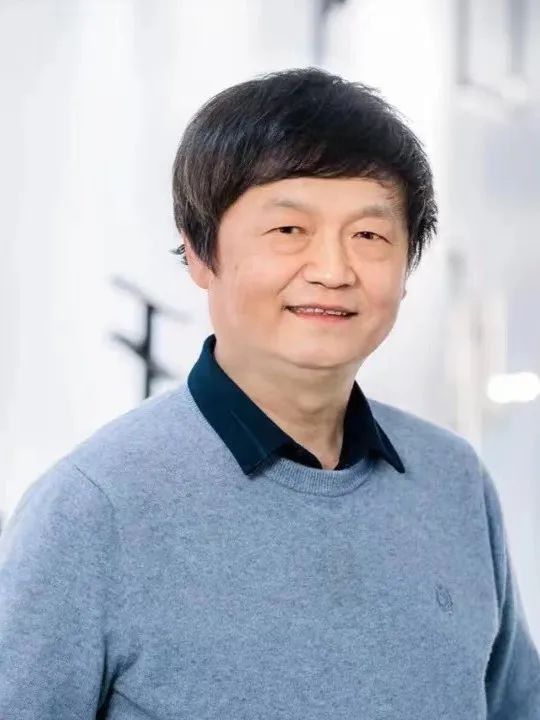
Renke He is Professor and Doctoral Supervisor at Hunan University, Special Vice President of the China Industrial Design Association, former Chair of the Ministry of Education's Industrial Design Teaching Guidance Sub-Committee for Higher Education, and a member of the 7th Academic Degrees Committee of the State Council's Design Discipline Evaluation Group.
He has long been engaged in industrial design education, design theory, and design strategy research. He has received the First and Second Prizes for National Teaching Achievement, the First Prize for National Textbooks, the title of National Distinguished Teacher, the Gold Medal of the Guanghua Longteng China Design Contribution Award, and the Top Ten Industrial Design Educators in China, among others. He has served as a juror for the Red Dot Design Award (Germany), iF Design Award, G-Mark Design Award (Japan), and CORE77 Design Award (USA), and as a founding Senior Fellow of the China Industrial Design Association.